
Same-Day Crowns at Chemung Family Dental
A crown covers a tooth that is too damaged for a filling to hold. With CEREC we design and mill your crown here during the appointment, so most patients walk out with the permanent crown fitted the same day. No temporary, no two-week wait, no second injection.
- Designed, milled, and bonded in a single appointment with CEREC
- No temporary crown to come loose over a weekend
- Digital scanning instead of a tray of impression material
- Written estimate and benefits check before treatment
- Cherry and CareCredit financing for the out-of-pocket portion
4.9 out of 5 from 440+ Google reviews
Restore the tooth in one visit
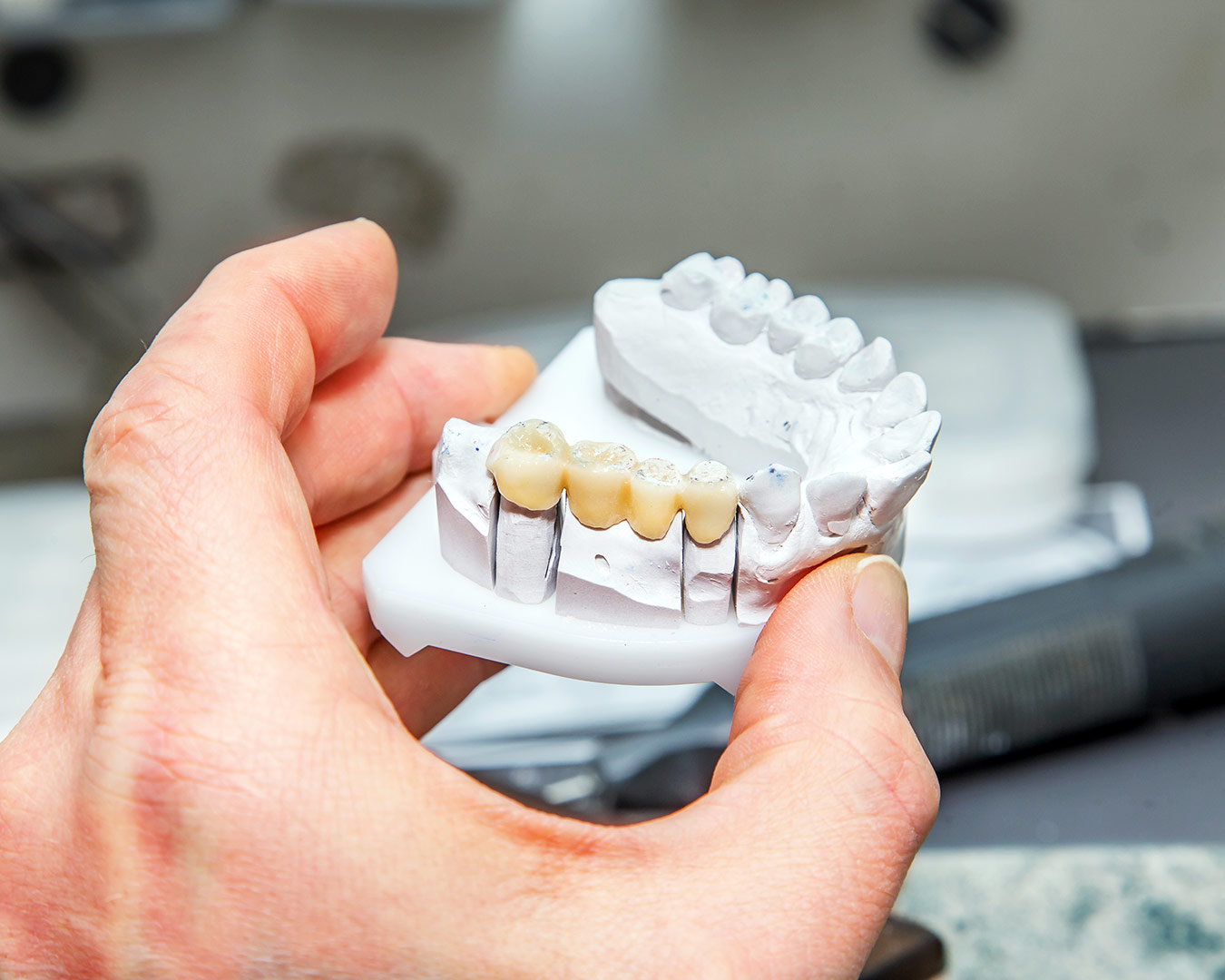
A crown is a custom cap that covers the whole visible part of a tooth. It is what you need when decay, a fracture, a very large old filling, or root canal treatment has left too little sound structure for a filling to be reliable.
Traditionally this took two visits: prepare the tooth, take an impression, fit a temporary, send the case to a lab, and bring you back weeks later. CEREC removes the middle. We scan the prepared tooth digitally, design the crown on screen, and mill it from a ceramic block here in the office while you wait.
Dr. Dunn then checks the fit and your bite, adjusts, and bonds it. The crown that goes in is the permanent one. Most appointments run around two hours from start to finish.
Same-day is not always the right answer, and we will say so. Some cases genuinely call for a lab-fabricated crown, particularly complex aesthetic work on front teeth where a technician’s hand makes a real difference. Honest guidance matters more than the fastest option.
Check your insuranceWhat does same-day actually save you?
One appointment instead of two
One trip, one time off work, one course of numbing. For anyone who dislikes injections, halving the number is not a small thing.
No temporary crown
Temporaries come loose, leak, and make teeth sensitive. Skipping that stage removes the most common source of between-appointment problems.
No impression tray
A digital scan replaces the putty-filled tray. Patients with a strong gag reflex notice this immediately.
The tooth is sealed the same day
A prepared tooth sitting under a temporary for two weeks is vulnerable. Bonding the final crown immediately closes it properly.
Adjustments happen while you are there
If the bite needs refining, we do it during the same visit rather than asking you to come back.
You see the design
The crown is designed on screen in front of you. If you want the shape adjusted, that conversation happens before it is milled.
The Chemung same-day crown process
Diagnosis and options
Dr. Dunn confirms a crown is the right call and discusses whether same-day or lab-made suits your specific tooth. You get the reasoning and a written estimate before anything begins. Start at an exam.
Numbing and preparation
The tooth is numbed, then shaped to make room for the crown. Any remaining decay comes out at this stage. If the nerve is involved, we may need root canal treatment first, and we will discuss that before proceeding.
Digital scan
A camera captures the prepared tooth and the surrounding teeth. It takes a few minutes and replaces the impression tray entirely.
Design
The crown is designed on screen: shape, contours, and how it meets the opposing teeth. This is where the fit is determined, and it is done while you wait.
Milling
The design is milled from a ceramic block in the office. This part takes roughly fifteen to twenty minutes, and most patients simply wait through it.
Fit, adjust, and bond
We try it in, check the contacts and your bite, adjust as needed, then bond it permanently. Expect the whole appointment to take about two hours.

Dental insurance coverage
We want getting care to be easy. Call us with your plan details and our team will check your benefits and explain what is covered before treatment starts.
Ask us about your coverageWhy crown a tooth at all?
A tooth with a large filling or a crack is structurally compromised. Every time you bite, force travels through the weakened walls. Eventually one of them fractures, and where that fracture runs decides whether the tooth can be saved.
A fracture above the gumline is usually restorable. One that travels below it often is not, and the tooth ends up needing extraction and then replacement with an implant or bridge. Crowning a tooth before it splits is the cheaper and simpler side of that fork.
This is also why we recommend crowns after root canal treatment on back teeth. The treatment saves the tooth from infection, but the tooth is left more brittle, and a crown is what stops it fracturing later.
Read the same-day crowns FAQsHave questions about same-day crowns?
If you’re considering same-day crowns, it’s normal to have questions. Here’s what patients ask Dr. Dunn most often.
What is a CEREC crown?
CEREC is the system we use to design and mill a ceramic crown in the office. Instead of an impression going to an outside lab, a digital scan is designed on screen and milled from a ceramic block here, usually within the same appointment.
How long does the appointment take?
Plan on about two hours from arrival to leaving with the crown bonded. That includes numbing, preparing the tooth, scanning, designing, milling, and fitting.
Is a same-day crown as strong as a lab crown?
For most cases in the back of the mouth, yes. They are milled from solid ceramic blocks. For certain complex front-tooth cases where layered aesthetics matter, a lab-fabricated crown can still be the better choice, and Dr. Dunn will tell you when that applies to your tooth.
How long do crowns last?
Many last well over a decade, and plenty go considerably longer. Longevity depends on your bite, whether you grind, gum health, and how well the underlying tooth holds up. Grinding is the single biggest factor we see.
Will it match my other teeth?
The ceramic is shade-matched to your surrounding teeth. On back teeth this is straightforward. On front teeth, matching is more demanding, which is one reason a lab crown is sometimes recommended there.
Does getting a crown hurt?
The appointment is done under local anesthetic and should not be painful. Afterwards some tenderness in the gum and mild sensitivity for a few days is normal. Pain when biting after the numbness wears off usually means the bite needs a small adjustment. Call us; it is a quick fix.
Do I need a root canal too?
Not necessarily. A crown covers a tooth; a root canal treats an infected or dying nerve inside it. Some teeth need both, some only a crown. We assess the nerve before recommending anything and explain what we find.
Can I eat normally afterwards?
Yes, once the numbness has gone. Unlike a temporary crown, the bonded permanent crown is ready to function immediately. Avoid chewing while still numb so you do not bite your cheek.
What if my crown feels high?
Call us. A crown that sits even fractionally high will feel wrong and can make the tooth sore. Adjusting it takes a few minutes and there is no reason to live with it.
What does a crown cost and will insurance help?
Cost varies by material, which tooth, and how complex the case is. Most dental plans cover a portion when the crown is medically necessary, such as large decay, a fracture, or after root canal treatment. We verify your specific coverage and give you a written estimate before treatment begins.
Can I get a crown if I grind my teeth?
Yes, but tell us, because it changes the plan. Grinding shortens the life of any restoration. We will usually recommend a nightguard alongside the crown, and it is far cheaper than replacing crowns you have cracked.
What if the tooth is too damaged for a crown?
There is a point where not enough sound structure remains to hold a crown. In that case we discuss extraction and replacement rather than placing a crown we expect to fail. We would rather have that conversation before you have spent the money.
Why people love Chemung Family Dental
4.9 out of 5 from 440+ Google reviews
It was the best dental experience I’ve ever had. I’ve had molds taken before, but never with such ease. Very friendly staff.
I was self conscious about my teeth, but I was very comfortable asking questions. They offered options for my treatment and it was my decision. No pushy sales pitches for more expensive treatments.
The staff is friendly and caring so each visit is easier to deal with no matter what procedure you’re having done!
Other services at Chemung Family Dental
Dental Exams & Cleanings
A gentle checkup and cleaning that catches small problems before they get expensive.
Book onlineFamily Dentistry
One office for every age, from a child's first visit to a grandparent's bridge.
Book onlineTooth-Colored Fillings
Repair a cavity with a filling that matches your tooth instead of announcing itself.
Book onlineTeeth Whitening
Professional whitening supervised by your dentist, not guessed at from a box.
Book onlineEmergency Dentistry
Chipped tooth, lost filling, swelling, or pain? Call us and we'll get you seen.
Call (607) 734-2045Gum Disease Treatment
Bleeding gums are treatable. Deep cleaning and maintenance that stops the damage.
Book onlineOral Surgery & Extractions
Surgical extractions handled here by our oral surgeon, not referred across town.
Call (607) 734-2045Wisdom Teeth Removal
Wisdom teeth assessed and removed in the office you already know.
Call (607) 734-2045Sedation & General Anesthesia
For anxious patients and longer surgery, sedation options up to general anesthesia.
Call (607) 734-2045Dental Implants
Replace a missing tooth with a root and crown that work like the real thing.
Call (607) 734-2045Root Canal Treatment
Save an infected tooth and end the pain, usually in one or two visits.
Book onlineFrom the blog
How long do dental crowns last?
An honest answer on crown lifespan and what shortens it.
Read the articleDental implant vs bridge
Cost, lifespan, and healing time for the two most common tooth replacements.
Read the article