Sleep Apnea Therapy at Chemung Family Dental
If you cannot tolerate CPAP, an oral appliance may be a genuine alternative. Dr. Richard B. Dunn, DDS, FACD is a Diplomate of the American Board of Dental Sleep Medicine and serves on its Board of Directors, and he offers a complimentary consultation to review your symptoms, history, and coverage before you commit to anything.
- Complimentary sleep consultation with Dr. Dunn
- Diplomate of the American Board of Dental Sleep Medicine, and on its Board of Directors
- Billed through medical insurance, not dental, and we handle the paperwork
- We participate with Medicare Part B for medically necessary devices
- Appliance therapy overseen by Jessica Turner, our certified dental assistant
4.9 out of 5 from 440+ Google reviews
An alternative when CPAP is not working
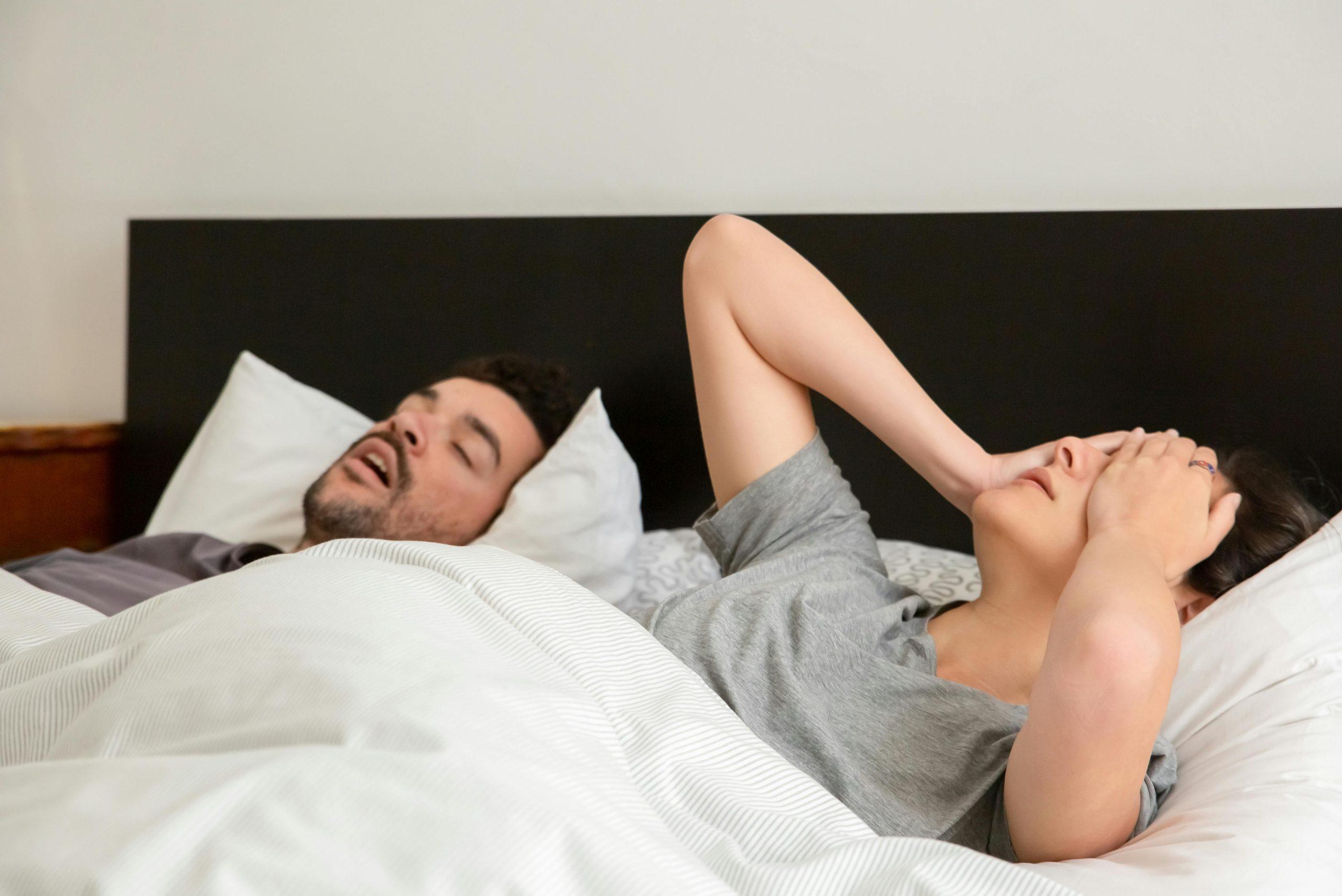
Obstructive sleep apnea happens when the soft tissues at the back of the throat collapse during sleep and block the airway. Breathing stops repeatedly, oxygen drops, and you partially wake each time without remembering it. The result is loud snoring, unrefreshing sleep, and daytime exhaustion, plus real cardiovascular strain over years.
CPAP is the standard treatment and it works well when people use it. The difficulty is that many cannot tolerate the mask, the pressure, or the hose, and an unused machine treats nothing.
A custom oral appliance is a different approach. It looks similar to a sports mouthguard and works by holding your lower jaw slightly forward during sleep, which keeps the airway open. There is no mask, no hose, and no electricity, and it fits in a pocket for travel.
It is not right for everyone. Appliance therapy is best supported for mild to moderate obstructive sleep apnea, and for people with severe apnea who genuinely cannot tolerate CPAP. Diagnosis comes from a sleep physician, not from us, which is why this works as a team. Dr. Dunn works alongside board-certified sleep physicians at local hospitals and with your primary care doctor. He has decades of experience in this field and published research in the Annals of the American Thoracic Society.
Check your insuranceWhy consider an oral appliance?
People actually use it
The best treatment is the one worn every night. For patients who abandoned CPAP, an appliance they tolerate delivers more real benefit than a machine in a cupboard.
No mask, hose, or power
It travels in a pocket, needs no electricity, and works on a camping trip or a plane. For frequent travellers this alone often decides it.
Your partner sleeps too
Snoring is usually what brings people in. Reducing it changes two people’s sleep, not one.
Billed to medical insurance
Oral appliance therapy is generally billed through medical insurance rather than dental, and we handle the paperwork. We also participate with Medicare Part B for medically necessary devices.
Managed as an ongoing relationship
Jessica Turner, our certified dental assistant, oversees appliance therapy and ongoing care. Appliances need adjusting over time, and someone here is responsible for that.
It can work alongside CPAP
Some patients use CPAP at home and an appliance when traveling. Combination approaches are legitimate and worth discussing.
A team approach to better sleep
Complimentary consultation
Schedule a no-cost appointment with Dr. Dunn. We review your symptoms, medical history, and insurance coverage, and talk honestly about whether appliance therapy is likely to suit you.
Diagnosis by a sleep physician
Sleep apnea must be diagnosed by a physician, usually through a sleep study, either in a lab or at home. If you have not been tested, we help coordinate that. If you already have a study, bring it.
Deciding on therapy together
Dr. Dunn works hand in hand with board-certified sleep physicians and your primary care doctor to decide whether an appliance is appropriate for your severity and anatomy.
Impressions and fitting
We take detailed impressions so the appliance is made for your mouth. At delivery we fit it, check the bite, and show you how to insert, remove, and clean it.
Titration
The appliance is adjusted gradually over several weeks to find the position that controls your apnea with the least jaw advancement. This is the part that determines whether therapy succeeds, and it takes patience.
Follow-up testing and ongoing care
A repeat sleep study with the appliance in confirms it is actually working. Symptom improvement alone is not proof. After that, regular reviews check the fit, your bite, and the condition of the appliance.

Dental insurance coverage
We want getting care to be easy. Call us with your plan details and our team will check your benefits and explain what is covered before treatment starts.
Ask us about your coverageWhy untreated sleep apnea matters
The daytime tiredness is the symptom people notice. The part that matters more happens overnight: repeated drops in blood oxygen and repeated surges in blood pressure, every night, for years.
Untreated obstructive sleep apnea is associated with high blood pressure, heart disease, stroke, type 2 diabetes, and a substantially increased risk of motor vehicle accidents from daytime sleepiness. It is a medical condition that happens to be treatable with a dental device.
If you snore loudly, wake unrefreshed, have been told you stop breathing in your sleep, or fall asleep during the day, that is worth investigating, whether or not you end up treating it with an appliance.
Read the sleep apnea therapy FAQsHave questions about sleep apnea therapy?
If you’re considering sleep apnea therapy, it’s normal to have questions. Here’s what patients ask Dr. Dunn most often.
What is obstructive sleep apnea?
The soft tissues at the back of your throat relax and collapse during sleep, blocking the airway. Breathing pauses repeatedly, blood oxygen falls, and you briefly rouse to reopen the airway, usually without remembering it. This can happen dozens of times an hour.
How is it diagnosed?
By a physician, through a sleep study conducted in a lab or at home. We do not diagnose sleep apnea, and any dental practice claiming to should be treated with caution. If you have not been tested, we can help coordinate it.
How does an oral appliance work?
It holds your lower jaw slightly forward during sleep, which pulls the tongue and soft tissues forward with it and keeps the airway open. It is custom made from impressions of your teeth.
Is it as effective as CPAP?
CPAP is more effective in controlled conditions, particularly for severe apnea. But effectiveness depends on use, and adherence to oral appliances is generally higher. For someone who cannot tolerate CPAP, an appliance worn every night can deliver more real benefit than a machine that is not used.
Who is a good candidate?
It is best supported for mild to moderate obstructive sleep apnea, and for people with severe apnea who cannot tolerate CPAP. You need enough healthy teeth to retain the appliance and a jaw joint that tolerates the position. Dr. Dunn assesses all of this at the consultation.
What does it feel like at first?
Most people need a few weeks to adapt. Early on it is common to have extra saliva, some jaw tightness in the morning, or a bite that feels slightly off for a short while after waking. These usually settle. Tell us if they do not.
Can it change my bite?
Long-term use can produce small changes in tooth position and bite over years. This is a real and documented consideration, which is why regular follow-up matters and why we check your bite at reviews. Most people consider it a reasonable trade against untreated apnea.
Will it stop my snoring?
It reduces or eliminates snoring for most patients, and that is often the change a partner notices first. Snoring reduction alone is not proof the apnea is controlled, though. That needs a follow-up sleep study.
How long does an appliance last?
Typically several years with good care, depending on the design and whether you grind your teeth. We check its condition at reviews and tell you when replacement is due.
How is it covered?
Oral appliance therapy is generally billed through medical insurance rather than dental, and we handle the paperwork. We also participate with Medicare Part B for medically necessary devices. Coverage varies, and we go through yours at the complimentary consultation.
Can I use it with CPAP?
Some patients do: CPAP at home, appliance for travel. Others use both together under physician guidance. It is worth raising if CPAP works for you in principle but not in every situation.
What if I grind my teeth as well?
Very common alongside sleep apnea, and it affects the appliance design and how long it lasts. Mention it at the consultation so we can plan for it rather than discover it when the appliance wears out early.
Do I still need to see my physician?
Yes. Sleep apnea is a medical condition and your physician stays involved throughout, including for diagnosis and for confirming that treatment is working. Dr. Dunn works directly with board-certified sleep physicians and your primary care doctor.
Why people love Chemung Family Dental
4.9 out of 5 from 440+ Google reviews
I was there for sleep apnea treatment, and Jessica always took the time to teach me and answer all of my questions… and provided all testing to insure that my nighttime breathing was improving.
Great team and an amazing group to work with for dental and sleep apnea concerns. They explain things that might be difficult, review on the spot issues such as billing and insurance issues…and in real time!
Nicky always has a sweet disposition and does a very thorough cleaning and makes certain that I know the status of my tooth health. Jessica has taken great care of me regarding my dental device.
Other services at Chemung Family Dental
Dental Exams & Cleanings
A gentle checkup and cleaning that catches small problems before they get expensive.
Book onlineFamily Dentistry
One office for every age, from a child's first visit to a grandparent's bridge.
Book onlineTooth-Colored Fillings
Repair a cavity with a filling that matches your tooth instead of announcing itself.
Book onlineSame-Day Crowns
A CEREC crown designed, milled, and fitted in a single appointment. No temporary.
Book onlineTeeth Whitening
Professional whitening supervised by your dentist, not guessed at from a box.
Book onlineEmergency Dentistry
Chipped tooth, lost filling, swelling, or pain? Call us and we'll get you seen.
Call (607) 734-2045Gum Disease Treatment
Bleeding gums are treatable. Deep cleaning and maintenance that stops the damage.
Book onlineOral Surgery & Extractions
Surgical extractions handled here by our oral surgeon, not referred across town.
Call (607) 734-2045Wisdom Teeth Removal
Wisdom teeth assessed and removed in the office you already know.
Call (607) 734-2045Sedation & General Anesthesia
For anxious patients and longer surgery, sedation options up to general anesthesia.
Call (607) 734-2045Dental Implants
Replace a missing tooth with a root and crown that work like the real thing.
Call (607) 734-2045Root Canal Treatment
Save an infected tooth and end the pain, usually in one or two visits.
Book onlineFrom the blog
Can a dentist treat sleep apnea?
Dr. Dunn explains where oral appliance therapy fits alongside your physician.
Read the articleCPAP alternatives
Whether an oral appliance is a good fit if CPAP has not worked for you.
Read the articleSigns of sleep apnea in adults
The symptoms most people miss, and when to get checked.
Read the article