
Root Canal Treatment at Chemung Family Dental
A root canal has a worse reputation than it deserves. It is the treatment that ends the pain, not the one that causes it. The tooth is numbed, the infected tissue inside is removed, and the space is sealed, usually across one or two visits.
- Ends the toothache rather than managing it
- Keeps your own tooth instead of extracting and replacing it
- Usually completed in one or two appointments
- Sedation available if the anticipation is the hard part
- Written estimate and benefits check before we begin
4.9 out of 5 from 440+ Google reviews

Save the tooth and stop the pain
Inside every tooth is a chamber containing nerve and blood vessels, called the pulp. When decay reaches it, or a crack lets bacteria in, or trauma damages it, the pulp becomes inflamed and then infected. That is the pain that wakes you at two in the morning.
Root canal treatment removes that infected tissue. Dr. Dunn numbs the tooth, makes an opening through the crown, cleans and shapes the canals inside the roots, disinfects them, then fills and seals the space so bacteria cannot return.
Because the tooth is thoroughly numbed, the appointment itself feels much like having a filling: pressure and time rather than pain. What people remember as an awful root canal is almost always the infection beforehand.
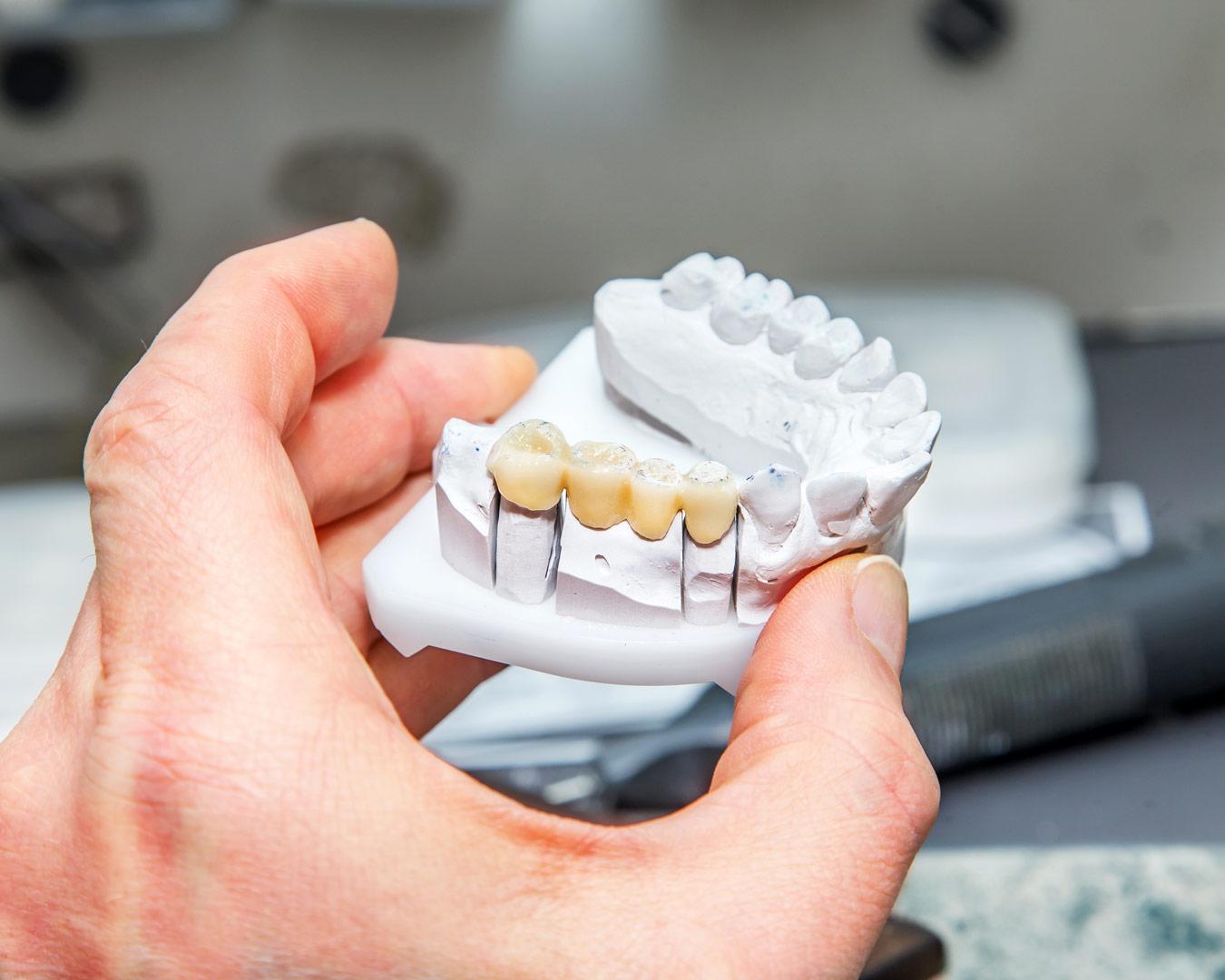
Afterwards a back tooth normally needs a crown. Treatment leaves the tooth more brittle, and a crown is what stops it fracturing later. With CEREC we can often do that the same day.
Check your insuranceWhy save the tooth rather than remove it?
Nothing works quite like your own tooth
It sits in bone with a ligament that senses pressure and load. Replacements are good; the original is better where it can be kept.
It preserves the bone
The root keeps stimulating the jawbone. Remove it and the bone begins to resorb, which is why replacing a tooth later sometimes needs grafting first.
Neighbouring teeth stay put
Keeping the tooth means the ones either side do not drift and the opposing tooth does not over-erupt into the gap.
It is usually less overall treatment
Extraction is rarely the end of it. The space typically needs an implant or bridge, which is more appointments and more cost than treating and crowning the tooth you already have.
The pain stops
This is the part patients care about most. Removing the infected pulp removes the source.
The Chemung root canal process
Diagnosis
Testing and an X-ray to confirm the pulp is involved and which tooth is actually responsible. Referred pain is common and treating the wrong tooth helps nobody. Start with an exam or call if you are in pain.
Numbing
We take the time to get the tooth properly numb. An infected tooth can be harder to anesthetize, so tell us if you still feel anything sharp and we will add more before starting.
Cleaning the canals
An opening is made through the top of the tooth and the infected tissue is removed from each canal. The canals are shaped and disinfected. This is the longest part of the appointment.
Sealing
The cleaned canals are filled with a rubber-like material and sealed so bacteria cannot re-enter. If there was significant infection, we may medicate the tooth and complete this at a second visit.
Restoring the tooth
A back tooth needs a crown to prevent fracture. Delaying this is the most common reason a successfully treated tooth is lost afterwards.
Dental insurance coverage
We want getting care to be easy. Call us with your plan details and our team will check your benefits and explain what is covered before treatment starts.
Ask us about your coverageWhat if you leave it?
An infected pulp does not recover. The pain may stop, and people often read that as the problem resolving, but it usually means the nerve has died. The infection then spreads out of the root tip into the surrounding bone, forming an abscess.
From there it can progress to facial swelling, which is a genuine emergency. It also becomes harder to save the tooth: what was a root canal in week one can become an extraction by the time the bone is significantly involved.
Antibiotics alone do not fix it. They can quieten a spreading infection, but the source is inside a tooth with no blood supply for the drug to reach, so it returns once the course ends.
Read the root canal treatment FAQsHave questions about root canal treatment?
If you’re considering root canal treatment, it’s normal to have questions. Here’s what patients ask Dr. Dunn most often.
Does a root canal hurt?
The appointment should not. The tooth is thoroughly numbed and most patients say it felt like having a filling: pressure and time rather than pain. The pain people associate with root canals is the infection that made the treatment necessary.
How many visits will it take?
Often one, sometimes two. If there is significant infection we may place medication inside the tooth and complete the seal at a second appointment a week or two later.
How long does an appointment take?
Usually between sixty and ninety minutes depending on the tooth. Front teeth have a single canal and go faster. Molars have three or four and take longer.
Will I need a crown afterwards?
For back teeth, almost always. Root canal treatment leaves a tooth more brittle, and molars take heavy chewing force. A crown is what protects it. Front teeth can sometimes be restored with a filling instead.
How long will the tooth last?
A properly treated and promptly crowned tooth can last for decades. The most common reason treated teeth fail is a delayed crown, allowing fracture or re-contamination.
Is it better to just pull the tooth?
Extraction is quicker and often cheaper on the day, but it is rarely the end. The space usually needs an implant or bridge, which costs more overall and takes longer. Where the tooth has a reasonable prognosis, saving it is normally the better decision, and we will tell you honestly when it does not.
What should I expect afterwards?
The tooth is often tender to bite on for a few days as the surrounding ligament settles. Over-the-counter pain relief usually handles it. Increasing pain, or swelling, after the first few days is worth a call.
Can I eat straight away?
Wait until the numbness has fully gone. Then avoid chewing hard on that tooth until it has been permanently restored. A temporarily filled tooth is vulnerable to fracture.
Do I need antibiotics?
Not routinely. They are used when there is spreading infection or swelling. The treatment itself removes the source, which antibiotics cannot do on their own.
Can a root canal be redone if it fails?
Often, yes. Retreatment involves reopening the tooth, removing the old filling material, cleaning again, and resealing. Where retreatment is not viable, we discuss extraction and replacement.
Will insurance cover it?
Most dental plans cover a portion of endodontic treatment, though the crown afterwards is usually a separate benefit category. We verify your specific coverage and give you a written estimate covering both parts, so the crown is not a surprise.
Why people love Chemung Family Dental
4.9 out of 5 from 440+ Google reviews
Everyone is so friendly…and understanding! I have never been a fan of going to the dentist but they all make it so comfortable!
The staff is friendly and caring so each visit is easier to deal with no matter what procedure you’re having done!
I was self conscious about my teeth, but I was very comfortable asking questions. They offered options for my treatment and it was my decision. No pushy sales pitches for more expensive treatments.
Other services at Chemung Family Dental
Dental Exams & Cleanings
A gentle checkup and cleaning that catches small problems before they get expensive.
Book onlineFamily Dentistry
One office for every age, from a child's first visit to a grandparent's bridge.
Book onlineTooth-Colored Fillings
Repair a cavity with a filling that matches your tooth instead of announcing itself.
Book onlineSame-Day Crowns
A CEREC crown designed, milled, and fitted in a single appointment. No temporary.
Book onlineTeeth Whitening
Professional whitening supervised by your dentist, not guessed at from a box.
Book onlineEmergency Dentistry
Chipped tooth, lost filling, swelling, or pain? Call us and we'll get you seen.
Call (607) 734-2045Gum Disease Treatment
Bleeding gums are treatable. Deep cleaning and maintenance that stops the damage.
Book onlineOral Surgery & Extractions
Surgical extractions handled here by our oral surgeon, not referred across town.
Call (607) 734-2045Wisdom Teeth Removal
Wisdom teeth assessed and removed in the office you already know.
Call (607) 734-2045Sedation & General Anesthesia
For anxious patients and longer surgery, sedation options up to general anesthesia.
Call (607) 734-2045Dental Implants
Replace a missing tooth with a root and crown that work like the real thing.
Call (607) 734-2045From the blog
What counts as a dental emergency?
Which problems need same-day care and which can wait a day or two.
Read the articleA guide for nervous patients
Practical ways to make a dental visit easier if you have been putting it off.
Read the article