
Dental Implants at Chemung Family Dental
An implant replaces the root of a missing tooth, and a crown on top replaces the rest. What makes it different here is that the whole thing happens in one place: Dr. Nicholas Petti, a board-certified oral and maxillofacial surgeon, places the implant on site, and Dr. Dunn restores it. From extraction to final crown, you stay with the team who knows you.
- Surgery and restoration under one roof, with no referral across town
- Placed by Dr. Nicholas Petti, board-certified oral and maxillofacial surgeon
- Sedation options up to general anesthesia available on site
- Fee-for-service, so implant systems are chosen on quality not insurance restrictions
- Cherry and CareCredit financing for treatment plans
4.9 out of 5 from 440+ Google reviews


Replace the whole tooth, root included
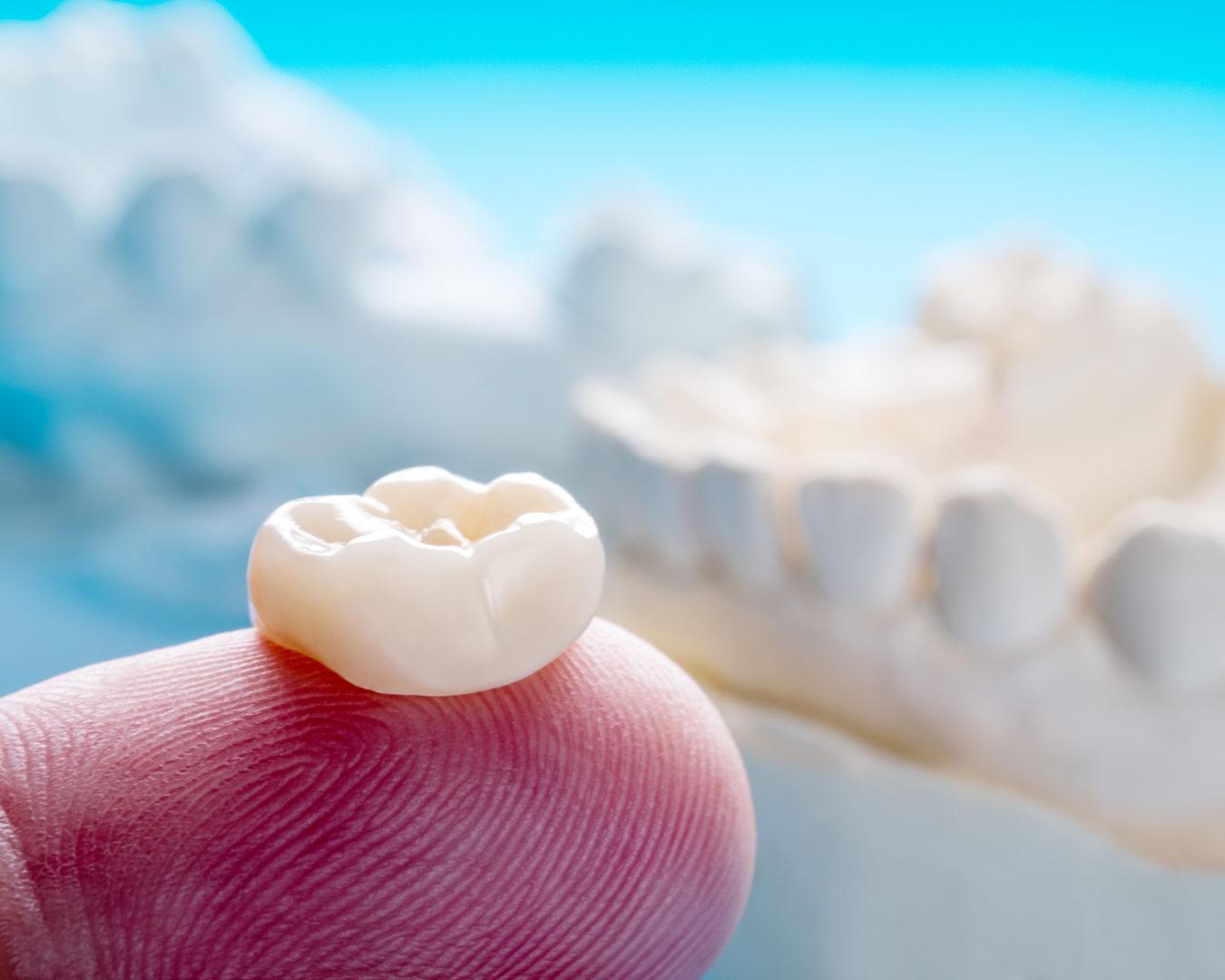
A dental implant is a small titanium post placed into the jawbone where the root of your missing tooth used to be. Over several months the bone grows against and bonds to it, a process called osseointegration. Once it is stable, a custom crown is attached on top.
That root replacement is what separates an implant from a bridge or a denture. A bridge spans a gap by resting on the teeth either side, which means reshaping two healthy teeth to carry it. A denture sits on the gums. Neither puts anything back into the bone, and bone that is not being loaded gradually resorbs.
Because Dr. Petti works here on site, the surgical and restorative halves are planned together from the start rather than negotiated between two offices. If the tooth still needs removing, the extraction and the plan for what replaces it are one conversation.
As a fee-for-service practice we select implant systems based on quality rather than what an insurance contract restricts us to. Together we work out whether a single implant, an implant-supported bridge, or a full-arch solution fits your situation and your budget.
Check your insuranceWhat are the benefits of an implant?
It preserves the jawbone
The implant transmits chewing force into the bone the way a root did, which is what keeps the bone from resorbing. No other replacement does this.
Healthy teeth are left alone
Unlike a bridge, an implant stands on its own. The teeth either side of the gap are not reshaped to carry anything.
It functions like a tooth
You can eat normally. There is no removing it at night and no adhesive. Most patients stop thinking about which tooth it is.
It is cleaned like a tooth
Brush and floss around it as normal, and keep up regular checkups. The gum health around an implant is what determines how long it lasts.
It does not decay
Titanium and ceramic cannot get cavities. The tooth itself is not the vulnerability; the supporting gum and bone are, which is why maintenance matters.
One team from start to finish
On-site partnership, from extraction through restoration, without leaving the practice.
The Chemung implant process
Consultation and imaging
We assess the site, your bone volume, and your general health, and discuss whether an implant is the right answer or whether a bridge suits you better. You get a written estimate before anything is booked. Start with an exam.
Extraction and grafting, if needed
If the tooth is still present, Dr. Petti removes it and often places graft material in the socket at the same time to preserve bone. Doing this at extraction avoids a larger rebuilding procedure later.
Placing the implant
Dr. Petti places the post while you are comfortably numbed, with sedation if you have chosen it. The appointment usually takes about an hour for a single implant. Most patients describe the recovery as easier than they expected.
Healing and integration
Over roughly three to six months the implant fuses with your jawbone. You are not without a tooth for that time. A temporary is usually provided, particularly anywhere visible. This stage cannot be rushed; it is what makes the result last.
The final crown
Once integration is confirmed, Dr. Dunn attaches an abutment and fits the custom crown, matched to your surrounding teeth. This is the appointment where it starts feeling like your tooth again.
Maintenance
Regular cleanings and gum monitoring. Implants fail through gum and bone problems, not decay, so the hygiene appointments are genuinely the thing that protects the investment.
Dental insurance coverage
We want getting care to be easy. Call us with your plan details and our team will check your benefits and explain what is covered before treatment starts.
Ask us about your coverageWhy replace a missing tooth at all?
A gap does not stay a gap. Adjacent teeth drift toward the space and tilt, the opposing tooth over-erupts because nothing meets it, and your bite gradually changes. That uneven loading causes wear and fractures in teeth that had nothing wrong with them.
The bone that held the root also begins to resorb, and it goes fastest in the first year after the tooth is lost. That is why timing matters: an implant placed sooner often needs less rebuilding than one placed years later.
Chewing changes too. People instinctively favor the other side, which loads one half of the mouth harder over time. None of this is an argument for rushing. It is an argument for making the decision deliberately rather than letting it be made by delay.
Read the dental implants FAQsHave questions about dental implants?
If you’re considering dental implants, it’s normal to have questions. Here’s what patients ask Dr. Dunn most often.
What is a dental implant?
A small titanium post placed in your jawbone to replace the root of a missing tooth. Once it fuses with the bone, a custom crown is attached on top. The result looks, feels, and works much like a natural tooth.
Who places the implant?
Dr. Nicholas Petti, a board-certified oral and maxillofacial surgeon, performs the surgery here on site. Dr. Dunn handles the restoration. You do not travel to another office for the surgical part.
Why an implant instead of a bridge?
A bridge works, but it requires reshaping the healthy teeth either side of the gap, and it does not preserve the bone underneath. An implant stands on its own and maintains the bone. That said, a bridge is sometimes the better choice, and we will tell you when.
How long does the whole process take?
Typically three to six months from placement to final crown, most of which is healing while the implant integrates with your bone. Cases needing extraction and grafting first take longer. You will have a timeline specific to your case at the consultation.
Am I a candidate?
Most people in reasonable general health with enough jawbone are. If bone has been lost, grafting can often rebuild it. Uncontrolled diabetes, heavy smoking, and some medications affect healing and are part of the assessment.
Does it hurt?
Placement is done under local anesthetic, with sedation available, so you should not feel pain during the procedure. Afterwards most patients report mild soreness for a few days, manageable with over-the-counter pain relief. Many say it was easier than an extraction.
Will it look natural?
The crown is matched to the color, shape, and size of your surrounding teeth. In most cases people cannot identify which tooth is the implant.
How long do implants last?
Many last decades, and a well-maintained implant can last a lifetime. The crown on top may need replacing sooner than the implant itself. Longevity depends heavily on gum health and regular maintenance.
What makes an implant fail?
Most failures come from infection of the gum and bone around the implant, which is why cleanings matter so much. Smoking, uncontrolled diabetes, and heavy grinding all increase risk. Implants do not decay, but their foundation can be lost.
Can implants replace more than one tooth?
Yes. They can support a single crown, a bridge spanning several teeth, or a full arch. We will work out which approach fits your situation and budget rather than defaulting to one implant per missing tooth.
I have been missing the tooth for years. Is it too late?
Usually not, though you may need grafting to rebuild bone that has resorbed. That adds time and cost but does not rule it out. Dr. Petti can tell you what your particular site needs after imaging.
How do I care for it?
Brush and floss it like a natural tooth, and keep up your regular cleanings so we can monitor the gum and bone around it. Special floss and small interdental brushes help, and we will show you at the fitting.
What does it cost and will insurance help?
Cost depends on whether extraction or grafting is needed and on how many teeth are involved. Dental coverage for implants varies widely. Some plans contribute, others very little. We verify your benefits and give you a written estimate covering every stage before treatment begins, with Cherry and CareCredit available for the balance.
Why people love Chemung Family Dental
4.9 out of 5 from 440+ Google reviews
I was self conscious about my teeth, but I was very comfortable asking questions. They offered options for my treatment and it was my decision. No pushy sales pitches for more expensive treatments.
The staff is friendly and caring so each visit is easier to deal with no matter what procedure you’re having done!
I am a new patient at Chemung Family Dental but I feel like I have been going there for years. They make you feel very welcome.
Other services at Chemung Family Dental
Dental Exams & Cleanings
A gentle checkup and cleaning that catches small problems before they get expensive.
Book onlineFamily Dentistry
One office for every age, from a child's first visit to a grandparent's bridge.
Book onlineTooth-Colored Fillings
Repair a cavity with a filling that matches your tooth instead of announcing itself.
Book onlineSame-Day Crowns
A CEREC crown designed, milled, and fitted in a single appointment. No temporary.
Book onlineTeeth Whitening
Professional whitening supervised by your dentist, not guessed at from a box.
Book onlineEmergency Dentistry
Chipped tooth, lost filling, swelling, or pain? Call us and we'll get you seen.
Call (607) 734-2045Gum Disease Treatment
Bleeding gums are treatable. Deep cleaning and maintenance that stops the damage.
Book onlineOral Surgery & Extractions
Surgical extractions handled here by our oral surgeon, not referred across town.
Call (607) 734-2045Wisdom Teeth Removal
Wisdom teeth assessed and removed in the office you already know.
Call (607) 734-2045Sedation & General Anesthesia
For anxious patients and longer surgery, sedation options up to general anesthesia.
Call (607) 734-2045Root Canal Treatment
Save an infected tooth and end the pain, usually in one or two visits.
Book onlineFrom the blog
What dental implants cost in Elmira
What drives the price of an implant and how patients pay for it.
Read the articleDental implant vs bridge
Cost, lifespan, and healing time for the two most common tooth replacements.
Read the articleTooth extraction aftercare
A day-by-day guide to healing well after a tooth is removed.
Read the article