
Professional vs At-Home Teeth Whitening: What Actually Works
Drugstore strips, custom trays, in-office laser sessions — there’s a real gap between what works and what just feels like it does. Here’s the honest comparison from a dentist’s chair.
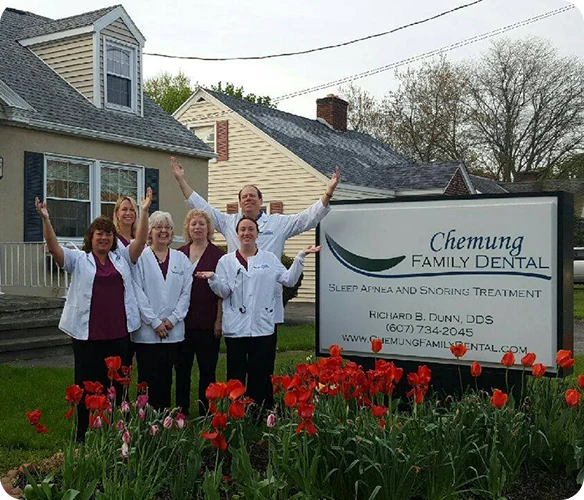
What Actually Whitens Teeth (and What Doesn't)
An honest dentist’s comparison
You’ve stared at your teeth in the mirror, considered the strips at the drugstore, the trays online, the LED kit your friend swears by, and the in-office whitening your dentist offers. The price gap is real — sometimes 10x. But so is the results gap.
This is the honest comparison: professional teeth whitening versus the at-home options, what actually works on what kind of stain, and how to spend the right amount for the result you want.
What Actually Whitens Teeth (and What Doesn’t)
Almost every legitimate whitening method works through one of two active ingredients: hydrogen peroxide or carbamide peroxide. Carbamide peroxide breaks down into hydrogen peroxide on the tooth, just more slowly. Both penetrate enamel and lift staining molecules from inside the tooth.
Things that don’t truly whiten:
- Activated charcoal toothpaste. Mildly abrasive — it scrubs surface stains. It does not change the underlying tooth color and can damage enamel with long-term use.
- Baking soda alone. Same as above — abrasive, not bleaching.
- Whitening toothpaste (most types). Removes surface stain. Won’t change the color of the tooth itself by more than half a shade.
- Oil pulling. No clinical evidence of whitening.
- LED lights without peroxide. The light alone does nothing. The peroxide does the work; the light may slightly accelerate the chemical reaction (debatable in some studies).
If you want real whitening — meaning your teeth look measurably lighter — peroxide has to be involved. Now the question is just how much, for how long, and in what form.
The Three Real Options, Compared
Option 1: Over-the-Counter Strips and Trays
Active ingredient: 5–10% hydrogen peroxide
Treatment time: 30 minutes daily for 2–3 weeks
Cost: $30–$80
Results: 1–3 shades lighter for most people
This is the legitimate budget option. Major brands (like Crest 3D Whitestrips and similar) do work. The trade-offs:
- Strips don’t conform perfectly to teeth, so corners and back teeth often get less coverage
- The lower peroxide concentration means slower results
- Generic plastic trays don’t fit your specific teeth — gel can leak onto gums
- No professional supervision means no one’s catching pre-existing problems (cavities, cracks) the whitening could aggravate
Best for: Mild surface staining, healthy teeth, patients on a budget who want a noticeable but modest improvement.
Option 2: Custom Take-Home Whitening from Your Dentist
Active ingredient: 10–22% carbamide peroxide
Treatment time: 30 min – overnight, for 1–2 weeks
Cost: $250–$500
Results: 4–8 shades lighter for most patients
This is the option most patients overlook — and the one that often delivers the best ratio of results to cost. Your dentist takes a quick impression of your teeth, has custom trays made that fit perfectly, and gives you medical-grade whitening gel.
Why it works so well:
- Custom trays seal the gel against the tooth and away from the gums
- Higher peroxide concentration than drugstore strips
- You can do touch-ups for years using the same trays — just buy more gel
- Your dentist screens for issues that would make whitening uncomfortable or risky first
Best for: Patients who want significant results without spending the most, and who like having results they can refresh on their own.
Option 3: In-Office Professional Teeth Whitening
Active ingredient: 25–40% hydrogen peroxide
Treatment time: 60–90 minutes, single visit
Cost: $400–$1,000+
Results: 6–10 shades lighter, single session
This is the fastest, most dramatic option. A protective barrier is applied to your gums, high-concentration peroxide gel is placed on your teeth, and (depending on the system) a special light may be used to accelerate the reaction. Multiple short applications happen during the visit.
What you actually get:
- Visible, often dramatic change in one appointment
- Professional supervision throughout — no DIY guesswork
- Gum and lip protection no home product can match
- A controlled environment that minimizes sensitivity
The trade-off is cost and that the results, while immediate, will fade over time without maintenance. Most patients pair an in-office session with custom take-home trays for touch-ups — getting the best of both.
Best for: Major events (weddings, photoshoots, reunions), patients with significant staining, anyone who wants results today rather than in three weeks.
Which Stains Each Method Handles
Not all tooth discoloration responds to peroxide whitening. Knowing what kind of staining you have determines whether whitening is even the right tool.
- Coffee, tea, wine, and tobacco staining (extrinsic): Responds well to all peroxide-based whitening. Professional methods work fastest.
- Age-related yellowing (intrinsic): Responds reasonably well. Custom trays and in-office whitening outperform strips here.
- Tetracycline staining: Stubborn. Often requires extended whitening (months) and may not fully resolve. Veneers may be a better option.
- Fluorosis (white spots from too much fluoride): Whitening may make the spots blend in slightly but can also make them more visible. A dentist should evaluate first.
- Single dark teeth (often from past trauma): Internal whitening through the tooth is the right tool — not external whitening. Different procedure entirely.
- Crowns, veneers, bonding, and fillings: Don’t whiten at all. Peroxide only works on natural tooth structure. If you whiten, your dental work won’t match anymore.
Sensitivity: The Honest Conversation
Most people experience some tooth sensitivity during whitening. It’s caused by the peroxide briefly opening tiny channels in the enamel. The good news: sensitivity is almost always temporary, fading within 24–48 hours after stopping treatment.
Things that reduce sensitivity:
- Using a desensitizing toothpaste (Sensodyne or similar) starting two weeks before whitening
- Choosing carbamide peroxide over hydrogen peroxide — slower release, less sensitivity
- Shorter sessions, more days, instead of long sessions
- Custom trays vs. strips (better seal, less gel on gums)
- Skipping a day if sensitivity becomes uncomfortable
If you have existing gum recession or sensitivity at baseline, talk to your dentist before whitening. Sometimes addressing the underlying issue first makes the whitening process much smoother.
How Long Whitening Lasts
The answer no one likes: 3 months to 3 years, depending on what you eat, drink, and smoke.
- Heavy coffee/tea/wine drinkers: 3–6 months before noticeable rebound
- Moderate consumption: 1–2 years
- Minimal staining habits: 2–3 years
This is why custom take-home trays are such a strong investment. Once you have them, refreshing your whitening costs $20–$40 in gel every six months or so — no new appointment needed.
How We Approach Whitening at Chemung Family Dental
We do all three: in-office, custom take-home, and combinations of both. The conversation we have with every patient is the same — what’s your timeline, your budget, your starting shade, and your sensitivity history? The answer points to one of the three options. We don’t push the most expensive choice on patients who’ll get great results from a less expensive one.
Most importantly, we screen first. Whitening teeth that have undiagnosed cavities, cracked enamel, or untreated gum disease isn’t just uncomfortable — it can actually make those problems worse. A 20-minute exam saves a lot of regret.
The Bottom Line on Professional Teeth Whitening
If you want minor improvement and don’t mind taking your time, drugstore strips work. If you want real results and the ability to maintain them yourself, custom take-home trays from a dentist are the sweet spot — better than over-the-counter, far cheaper than in-office. If you want the most dramatic results in the shortest time — say, before a wedding — in-office professional teeth whitening is unmatched. The right answer depends on your stains, your timeline, and how much sensitivity you can tolerate. The wrong answer is whitening blindly without finding out which one fits.
Frequently Asked Questions
For most patients, yes. Professional whitening (especially custom take-home trays) delivers 4–8 shades of improvement compared to 1–3 shades from drugstore strips, with better gum protection, less sensitivity, and longer-lasting results. The price gap shrinks when you factor in repeat purchases of OTC products.
Custom take-home whitening from a dentist typically costs $250–$500. In-office professional whitening ranges from $400 to $1,000+ depending on the system used. Drugstore strips cost $30–$80 but produce more modest results.
Properly applied peroxide whitening does not damage healthy enamel. It can cause temporary sensitivity. Risks come from over-use (whitening for months on end), products with incorrect pH, or whitening teeth with untreated cavities, cracks, or gum recession — which is why a dental exam first matters.
Results last 3 months to 3 years depending on diet and habits. Heavy coffee, tea, red wine, or tobacco use shortens that to 3–6 months. Patients with custom trays can do at-home touch-ups every few months to maintain results indefinitely.
No. Peroxide whitening only works on natural tooth structure. Crowns, veneers, bonding, and fillings keep their original color. If you whiten the surrounding teeth, your dental work may no longer match — so plan whitening before any cosmetic restorations.
Ready to experience care that feels different?
Join the families who have trusted us for over 37 years.